
Outrun the Darkness: Running Through Recovery
In May 2026, John Shep, Lead Ambassador with Athletics Ontario Running and host of the Athletics Ontario Running Podcast, will set out on a journey measured in more than kilometres. Through Outrun the Darkness, he will take on a 142.2 kilometre effort across two days, running the Sulphur Springs 100K trail race in Ancaster on Saturday, May 23, followed by the Tamarack Homes Ottawa International Marathon on Sunday, May 24.
It is a challenge that carries weight beyond endurance. Supported by fellow runners Marvin Mendoza and Bernard Abarquez, Shep’s “Ultra-Double” marks 19 years since a moment that changed the course of his life. What he is taking on is not just a test of physical limits, but a reflection of a long and ongoing journey through recovery, resilience, and rebuilding.
In May 2007, Shep was in Ottawa working at the Tamarack Homes Ottawa Race Weekend Expo. At 6’1” and 135 lbs, he was struggling deeply with disordered eating. During that weekend, he lost consciousness, hitting his head and suffering a concussion. The following day passed in a blur before he returned home and was admitted to a mental health ward, where he stayed for two weeks. It was not a moment of resolution, but it marked the beginning of something else: a decision to try, however imperfectly, to move forward.
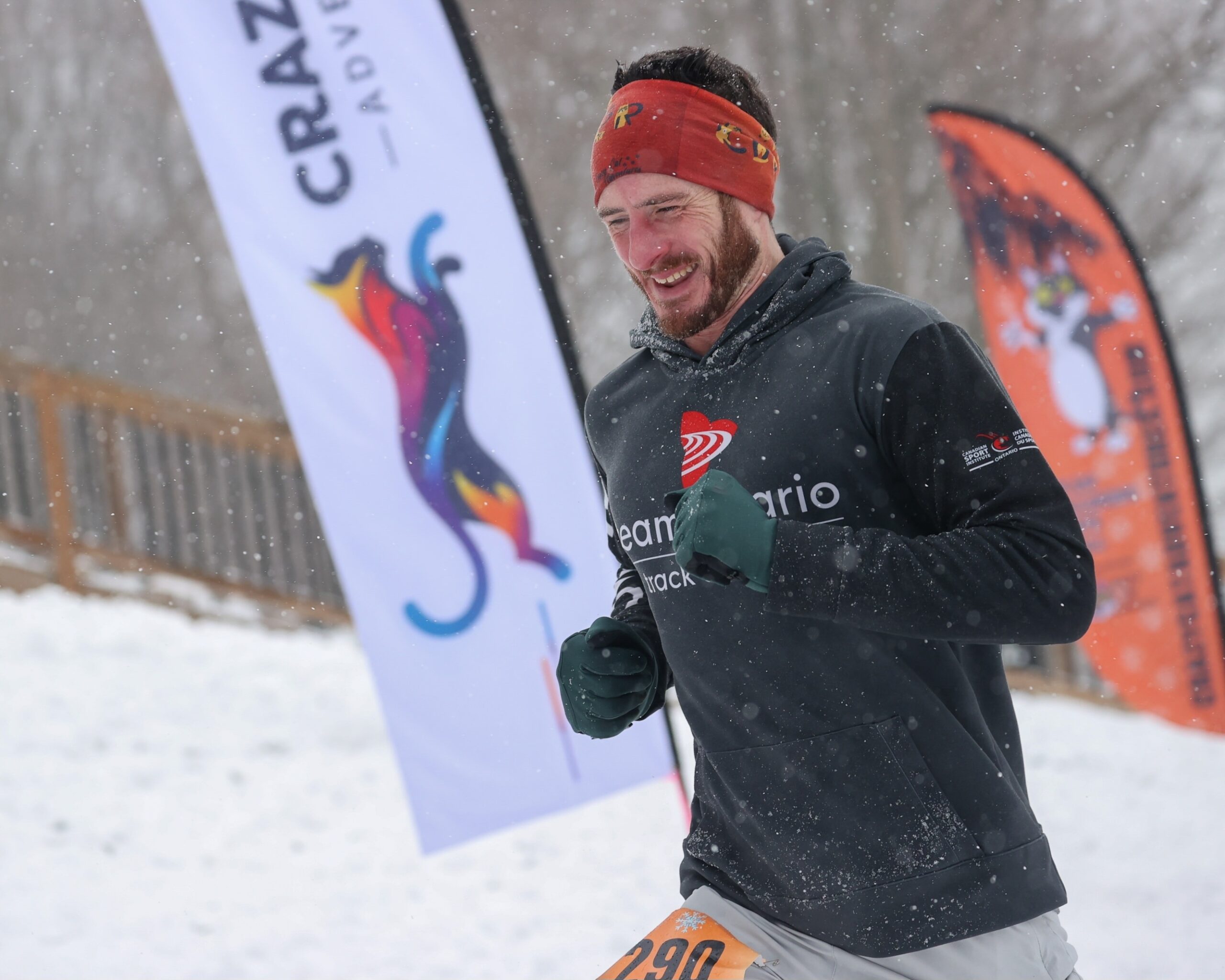
Recovery did not happen all at once. It unfolded over time, through small steps and difficult moments, shaped by persistence more than certainty. Ten years later, in 2017, Shep returned to Ottawa to run the marathon. Crossing that finish line became a way to acknowledge how far he had come, even if the journey was still ongoing.
Since then, running has taken on a different role in his life. He moved from roads to trails, finding space in longer distances and quieter environments. The Sulphur Springs Trail Race became a constant, something he returned to year after year. Each race carried its own meaning, building toward an idea that stayed with him: to one day connect that race back to Ottawa.
That idea is now becoming reality. Running 100 kilometres on trails, then travelling from Hamilton to Ottawa to run a marathon the next day, is not just about endurance—it’s about revisiting a place tied to a difficult memory and returning to it with strength, purpose, and community.
 “I return to the Ottawa Marathon having lived the last 19 years in recovery, embracing all that life has to offer: the friendships, the heartbreak, the love, the loss, the feelings (oh so many feelings!)”, Shep shares. Running and the running community didn’t just save my life; they gave me a life worth living. This is a reclamation, a celebration of 19 years in recovery.”
Running has been a part of Shep’s recovery, but so have the people around it. The friendships built through running, the soft encouragement of those who understand the effort, and the shared experience of showing up have all shaped his path forward.
Outrun the Darkness is both deeply personal and outward-facing. It is about telling a story that is often difficult to share, and creating space for others to feel seen in their own experiences. Through this initiative, Shep aims to raise awareness for mental health while supporting a documentary project and youth mental health services.
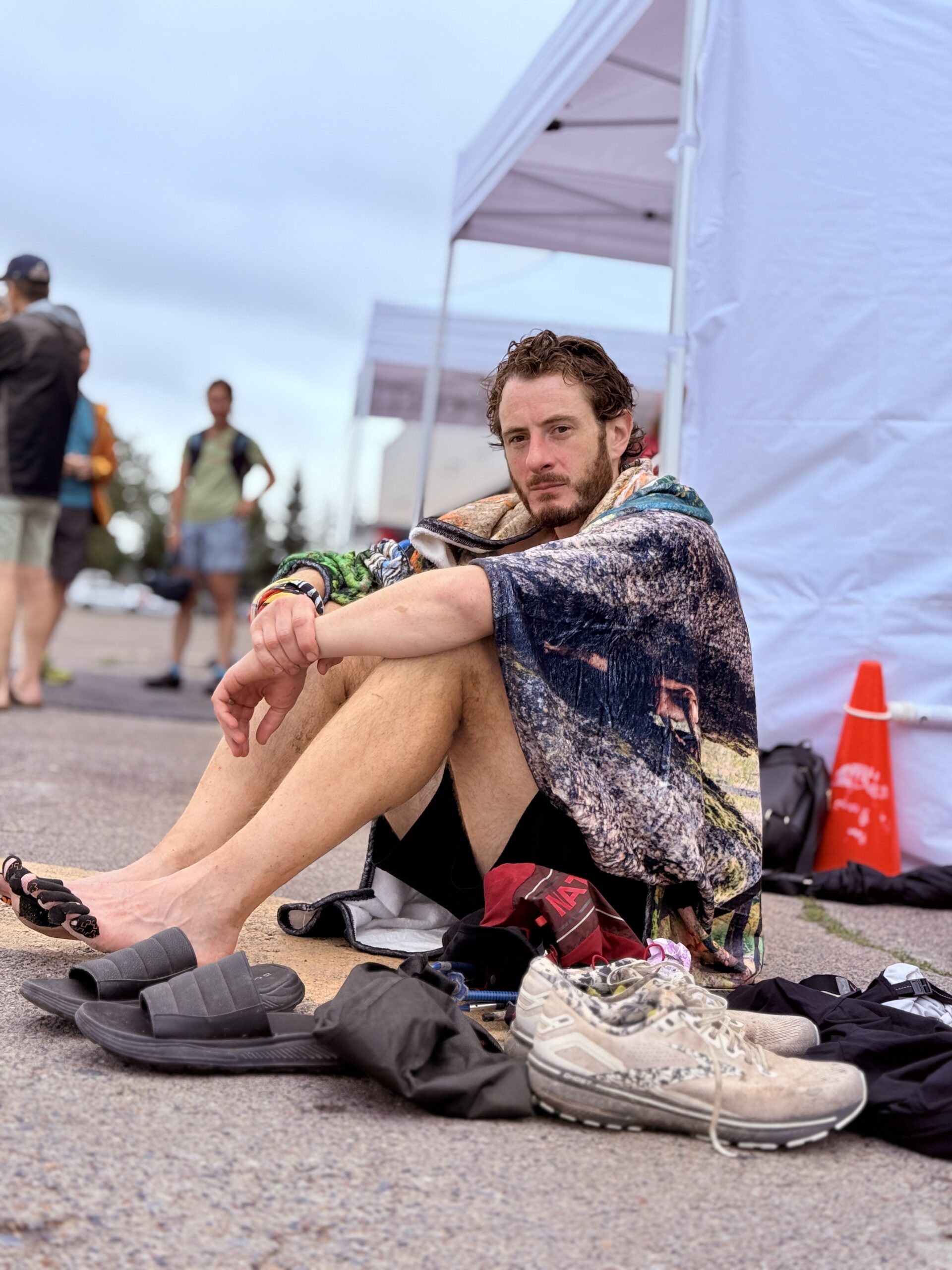
When asked to share his thoughts on the relationship between community, connection, and running, Abarquez, who will be accompanying Shep, said:
“I show support, encourage and inspire. In return the community mirrors and reflects the same virtues onto me. Instead of approaching from a competitive perspective, my journey has led me to a new source of fulfillment: inspiring others to look past limitations through running. I love to run, but not necessarily for the act of running itself. Running is just the movement. What I really love is the ability to connect with people through it. Just sharing the movement together creates a kind of energy between people. It takes away the feeling of loneliness that can sometimes exist even when you’re around others. When you’re running with people, you don’t feel the pressure to perform socially. You can just run and still feel connected to everyone around you. And by the end of the run, you feel energized not just from the miles, but from sharing the experience with others. Running creates this space where you can connect with people without needing to say much at all.”
When speaking about Shep’s upcoming challenge, he added:
“Outrun the Darkness will be a shared experience of runners supporting runners finding light. The light is not at the end of the tunnel, it is in each and everyone of us.”
As Tamarack Ottawa Race Weekend approaches, this effort will connect two races, two cities, and nearly two decades of lived experience. Each step will carry more than distance. It will carry the weight of where he has been, and the strength it took to keep going.